

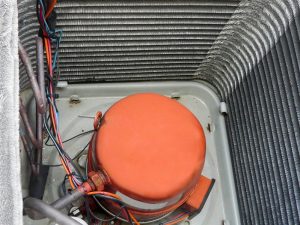
 The compressor is the heart of your central air conditioning system. Almost literally, since it does a similar job to the heart in a body: it pumps a vital substance through a circulatory system that allows for an exchange. In the case of the compressor, it exchanges heat, moving heat from inside a home to outside it to cool down the interior.
Not only does the compressor perform an essential function for your air conditioner, it also consumes the most power to run. Most of the electricity you use to power the AC goes to the compressor’s motor. When the compressor fails, you’ll face two problems: an air conditioner that can’t cool; and a repair that may be too expensive to justify, leading to having to replace the entire system.
This is why watching for signs of a dying AC compressor is helpful: you may avoid an early replacement and be able to have an air conditioning repair in Katy, TX that will keep your cooling system working for several more years.
Signs Your AC Compressor Is Failing
There are several warning signs you might notice that the compressor is in danger. Even if the compressor isn’t the problem, these are still a cause to call for professional repairs because something is wrong.
- Increased humidity: An early sign of a compressor that’s starting to fail at its job is when the humidity in the house starts to rise unexpectedly. With less refrigerant evaporating in the indoor coil, more moisture will remain in the air.
- Loud noises from the condenser: The compressor is housed in the outdoor condenser cabinet. When you hear noises such as grinding or repeated loud clicking from the condenser, it could mean the compressor is struggling to start or continue running. The grinding can mean the motor is burning out, and the clicking indicates a dying start or run capacitor.
- Airflow is lower: Lower airflow coming from the air conditioner often means a weakening compressor.
- The AC is overheating: Are you experiencing frequent circuit breaker trips when the AC is on? This often means the compressor motor is overheating and overloading the circuit breaker.
- Vibrating condenser: Can you visibly see the condenser cabinet vibrating when it’s running? You’ll always feel some vibration when you put your hand on the condenser during operation, but if it’s visibly shaking, something may be seriously wrong with the compressor.
When Compressor Failure Means AC Replacement
Sometimes repairs can rescue a compressor but are still not worth the cost. Often, compressors will start to fail near the end of the estimated service life of the AC, which is around 15 years or more. At this point, the AC is ready for retirement anyway. We recommend getting a new air conditioner in this situation, as you’ll save money on future repairs and start enjoying higher efficiency. Feel free to ask our technicians any questions about whether to repair or replace your central AC.
Frequently Asked Questions
Question: What are the signs of a dying air conditioner compressor?
Answer: Common signs of a failing compressor include rising indoor humidity, reduced airflow, unusual noises from the outdoor unit, frequent circuit breaker trips, and visible vibration in the condenser cabinet. These symptoms often indicate the compressor is struggling and should be inspected by an HVAC professional.
Question: Why does a failing AC compressor cause higher humidity indoors?
Answer: When a compressor begins to lose efficiency, it may not circulate refrigerant properly through the system. As a result, the air conditioner removes less moisture from the air, causing indoor humidity levels to increase even when the system appears to be running normally.
Question: Can strange noises indicate compressor problems?
Answer: Yes, unusual sounds such as grinding, rattling, clicking, or screeching can signal compressor trouble. Grinding noises may indicate motor wear, while repeated clicking can point to starting issues. Any persistent noise coming from the outdoor unit should be evaluated promptly to prevent further damage.
Question: Why does my AC trip the circuit breaker when the compressor is failing?
Answer: A struggling compressor often draws more electrical power than normal. This increased demand can overload the circuit and cause the breaker to trip repeatedly. Frequent breaker trips are a warning sign that the compressor or another major component needs professional attention.
Question: Should I repair or replace an air conditioner with a failing compressor?
Answer: The answer depends largely on the age and condition of the system. If the air conditioner is relatively new and under warranty, repairing or replacing the compressor may be worthwhile. For older systems approaching the end of their lifespan, replacing the entire unit is often the more cost-effective long-term solution.
At AC Comfort, Your Comfort Is Our Business! When you think your AC needs help, call us and we’ll take care of you.