

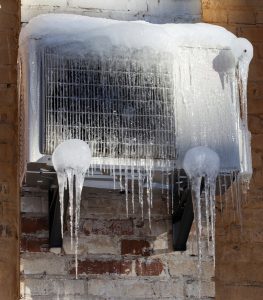
 A residential air conditioner has a straightforward job: remove heat from a house using refrigerant and release the heat outside, cooling down the air inside the house so it can then be spread through the rooms. This process is called heat transfer, in that it shifts heat from one place to another. A good way to think of it your AC is as a pump that pumps out the heat from your house to make you feel cooler.
But how much heat can an air conditioner pump out? What are the limits on how cool your air conditioner can make your house during a heat wave? You’ve come to right place for an answer, since we are a NATE-certified air conditioning contractor in Katy, TX who work with all types of systems.
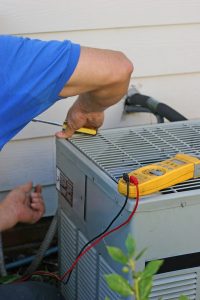
 Your air conditioner is not a magic wand. It’s an electronic device that works with wires, switches, capacitors, and everything else that’s contained within our modern technology. So when something goes wrong, there’s usually a technical way to figure out what’s going on. Troubleshooting electrical devices isn’t rocket science.
 What sort of sounds do you hear coming from your air conditioning system? You expect to hear the whir of the fans and the hum of the compressor when it turns on. But what about the dripping of water? Yes, this is one of the routine noises you can expect to hear coming from your AC as it works on a hot day. It’s the condensate moisture in the system dripping down into a pan, where it is then pumped down a drain and out of the house.
 The runaway air conditioner is a common cooling problem homeowners may run into during the summer. Everyone knows why it’s bad news when an air conditioning system won’t turn on at all. But an air conditioner that just won’t power down and keeps its compressor running on and on is just as bad a problem. In most cases, the AC will need to have professional repairs to fix what’s wrong.
  The central air conditioning system in your house is one of its most essential appliances. The heat during our Texas summers is intense, and hot days can arrive throughout the rest of the year as well. When you need repairs for your AC, are planning to schedule maintenance, or want to have a new air conditioner installed, you’ll look for an
  The humidity levels in Katy during the summer can turn oppressive and sometimes downright miserable. We’ve all experienced those horribly muggy days when 90°F—already some pretty serious heat—feels like 100°F plus too much sweat.
 When HVAC experts talk about the worst type of problems an air conditioning system can run into, they use the phrase “no cool”—an air conditioning system that isn’t cooling a house. The whole AC may have shut down and no air at all is coming from the vents. Or air is coming from the vents but it’s not cool.
 We ease in and out of warm weather during the winters in Katy, so there’s never a major time when air conditioners get a big break. But we’re approaching the time when all our homes will be getting steady use from their cooling systems.
 You might call it Freon or maybe know it by another brand name, but the chemical refrigerant that’s inside your AC is an essential component allowing the system to do its job. Without refrigerant, your air conditioning system is nothing more than a large central house fan. Fans can help out a bit in hot weather—in fact, we recommend homeowners turn their ACs to “fan only” mode during the milder hot weather to help save energy. But if you want to endure an intense Texas summer, you’ll need an air conditioner system that actually draws heat from the air to cool it down. And for that, the AC needs refrigerant.