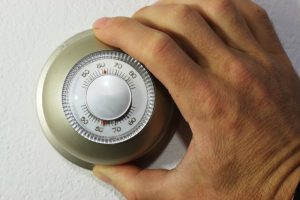
 It’s the end of the year, and we’re experiencing bone-chilling temperatures here of around … let’s see … 67°F during the day. Yes, not exactly the Blizzard of 1888 (fun facts on that, if you’re interested) and not quite the temperatures that will make you depend on your home heating system.
But the mild temperatures of winter do pose a challenge to us because finding the ideal setting on the thermostat can be tricky. Sometimes days will warm up just enough that you’ll need the AC running, and then the next day drop down just cool enough to have the heater come on. If you’re moving the thermostat setting up and down all the time, that’s probably creating energy waste without giving you the comfort results you want.
No Matter the Temperature, Remember these Two Facts…
These two facts will help you understand the “why” of how the thermostat is set.
- Heat loss or heat gain slows down the closer indoor and outdoor temperatures are to each other. This is why extreme temperature settings on a thermostat are so wasteful. Cranking the heat up too far means heat leaves the house faster. Blasting the air conditioning causes heat to move into the house faster. Aim to find a temperature inside that’s comfortable but also as close as possible to the outside temperature.
- The thermostat is a switch, not a throttle. You won’t get more heating or cooling delivered faster with extreme high or low settings. You’re only telling the heater or AC to stay on for longer. Steady settings are better for energy efficiency and comfort.
Now let’s look at the recommended thermostat settings.
When You Have the Heater On
Set the thermostat at 68°F during the day when people are home. This is a comfortable enough temperature for most people. Most of the time, the heater won’t even need to turn on or stay running for long. Lower the temperatures further at night or when the house is empty, usually around 60°F.
When You Have the AC On
The best daytime setting for staying cool is 78°F, and with proper ventilation, open windows, and fans you may not even need to have the AC running until the temperature has risen into the 80s. At night time or when the house is empty, raise the temperature by 8°F to 86°F.
A Smart Thermostat Is a Great Help
The best way to avoid having to change the programming regularly on the thermostat to adjust to days that are hot or cold is to have a special “smart” thermostat installed. This thermostat learns from your patterns of climate setting and from the house conditions to create its own programs that maximize energy use. In our area, this kind of thermostat is especially beneficial, since it adapts to our mild climate and can change between heating and cooling easily.
Get in touch with us for thermostat installation, as well as AC and heating repair in Katy, TX whenever you run up against serious comfort trouble.
At AC Comfort, “Your Comfort Is Our Business!” Reach out to us today if you need help with your heating and cooling.
Continue Reading
Tags: Katy, Thermostats
Posted in Heating | Comments Off on Proper Thermostat Handling for a Texas Winter


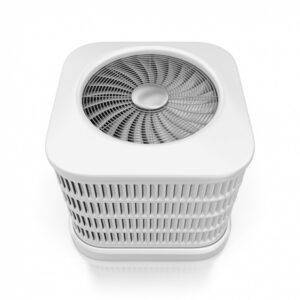 A few weeks ago, we posted about air conditioning maintenance, which is an important job to have done each spring to prepare a residential cooling system for the rigors of another summer. And then the big chill hit Texas, and we have to wonder if the people who read that original post still have AC maintenance in mind. We wouldn’t be surprised if you and everyone else was strictly focused on heating systems. We certainly were busy helping customers handle heating difficulties during this time.
 It’s early February, and the ol’ groundhog predicted six more weeks of winter. However, the groundhog has been right approximately 30% of the time, which is less than chance, and we live in Texas where we generally don’t need to worry about long winters.
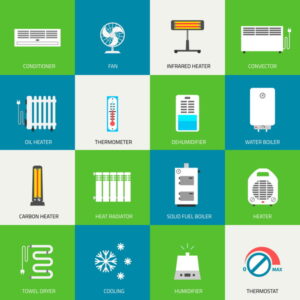 If you live in an all-electric home, there are several choices available to you when it comes to heating during the winter. The two main ones are the electric furnace and the heat pump. Because we don’t experience fierce winters here in Katy, your heating system will run for only a short season—but that doesn’t mean that just any heater will do.
 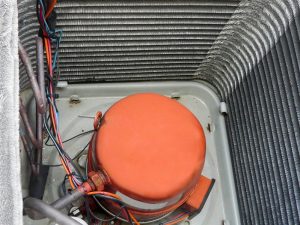 Last year we wrote a post about what to do about your air conditioning system
 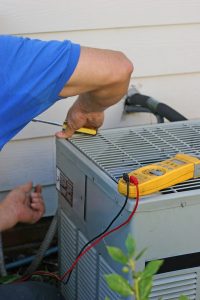 A common and major repair problem air conditioning systems run into is leaking refrigerant. Tiny holes along the copper refrigerant lines allow the refrigerant level in the system to drop, and that puts the entire air conditioner in jeopardy. Air conditioning systems are manufactured to run a specific charge (amount) of refrigerant. If that drops, it will not only lower cooling capacity, it will eventually inflict irreparable damage to the components, concluding with a burnt-out compressor.
 In the world of air conditioners, SEER ratings are just about everything. We’re sure that when you started looking into an air conditioner, you did a little research and quickly stumbled upon SEER ratings. SEER stands for Season Energy Efficiency Ratio. It’s what you use to measure how efficient an air conditioner is. Most of the time, you’d think that the higher the SEER rating the better, right? But what if this isn’t always true?
 Nobody likes it when the humidity rises on a hot summer day, because we know what that feels like—a much hotter day. The truth is that high humidity doesn’t raise the temperature of the air. What it does is make it harder for our bodies to release heat through our skin. More heat is trapped in our bodies, and so we feel even hotter. Think of humidity as like throwing a blanket around your body on a hot day. Not something you would want to do.
 Air conditioners are complex pieces of machinery, so when anything in them breaks, it requires detective work to locate the cause. This is one of the reasons we recommend you turn to professionals only when you have an air conditioning system that isn’t working. Unless the problem is basic–like a tripped circuit breaker–it takes skilled technicians to find out what the specific malfunction is so it can be fixed.
 You don’t want anything in your house to leak, especially not parts of the plumbing or the water heater. But have you thought about the air conditioning system leaking? It may not have crossed your mind it could happen, until you see evidence that it’s happening: water dripping out of the HVAC cabinet and starting to puddle on the floor.