

 We’re glad that you recognize something isn’t right with your home’s air conditioning system if you’ve noticed ice forming on it. A common misconception people have about ice on an AC is that it means the cooling system is working really well—so well that it’s creating ice. Or they may think the air conditioner uses ice to cool the air.
An air conditioning system doesn’t use ice to operate. It takes a large amount of energy to create ice (such as in your freezer), much more than would make it worthwhile as a home cooling option. An AC that’s working well will also not generate ice. An AC isn’t “creating” cold but removing heat, and when the air conditioner is working as it should, it won’t cause ice to form.
So what’s actually going on? There are several reasons to see ice developing on the AC.
 A common topic about air conditioners is the odd noises that warn of something wrong that may require repairs or basic troubleshooting. We’ve mentioned AC warning noises in several of our blogs.
 People are so used to central air conditioning systems that they imagine they’re the only effective way to provide cooling to an entire house. Window air conditioners have obvious limits: in order to cool a house, they need to be placed in every room, and not every room has an available window that works with them. Window ACs also struggle to cool larger rooms. For example, a single window air conditioner won’t do much for a living room.
 People worry about their air conditioning systems in their homes not turning on when they need them. The opposite problem can also occur—an air conditioner that comes on and then won’t shut off. Not only does this mean a house that’s too cold, it wastes massive amounts of energy!
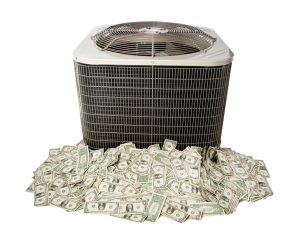 Energy costs are high now, and you may not want to look at your electric bills this summer because they make you winch. Unless you want to live miserably through a hot summer in Texas, you’ll have to run your AC … but does it have to cost this much?
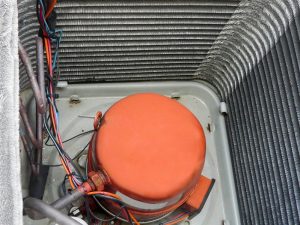 The compressor is the heart of your central air conditioning system. Almost literally, since it does a similar job to the heart in a body: it pumps a vital substance through a circulatory system that allows for an exchange. In the case of the compressor, it exchanges heat, moving heat from inside a home to outside it to cool down the interior.
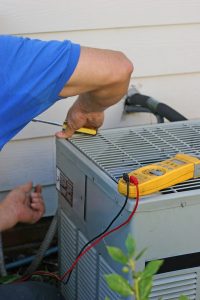 We were thinking of titling this post “This One Weird Trick Can Help You Avoid the Majority of AC Repairs!” But that was a bit too “click-baity,” and what we’re going to tell you here isn’t a “trick” or even remotely “weird.” It’s an important basic service that many homeowners overlook or forget about, and that’s why numerous AC malfunctions occur that shouldn’t.
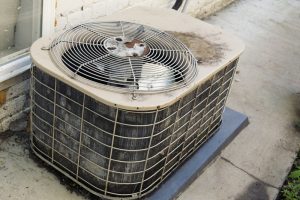 Air conditioning system replacement doesn’t run on an exact schedule. The standard central air conditioner can last around 10 to 15 years. But depending on how much they work and how often they’re serviced, they can run for shorter or longer. So to answer the question in the title, we need to first look at why you might be asking this question. We can then give you an idea of whether you’re due for an AC replacement. The best way to get answers is to call our professionals to help you with your
 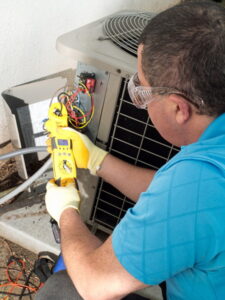 Air conditioners are used around the year in Katy, and we need to take special care of them because of all the wear they accumulate. This makes regular maintenance for air conditioning systems in homes more essential than ever—we can’t stress enough the importance of scheduling a maintenance tune-up and inspection each year with our technicians.
 Autumn is a good time of the year to make big changes to the comfort system in your home. The weather cools down enough that you won’t need your AC running as often, and it’s easier to schedule an important job like having a new air conditioner installed. Because we live in an area that can experience warm temperatures all around the year, you never want to be caught with a dying air conditioner at any season—so if you think you’re ready for a new air conditioning installation, now is an excellent time.