

 Energy costs are high now, and you may not want to look at your electric bills this summer because they make you winch. Unless you want to live miserably through a hot summer in Texas, you’ll have to run your AC … but does it have to cost this much?
The answer is probably “no.” In our experience providing air conditioning service to Cypress, TX and throughout the Katy, TX area, many homeowners have gotten into habits with cooling their homes and operating their air conditioning systems that unnecessarily waste power. You may not have control over the price of energy, but you do have some methods to slice away wasteful habits and power-draining mistakes.
Allow us to go through what you might be doing wrong so we can help you make corrections that will keep your house cool for less.
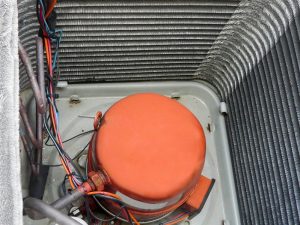 The compressor is the heart of your central air conditioning system. Almost literally, since it does a similar job to the heart in a body: it pumps a vital substance through a circulatory system that allows for an exchange. In the case of the compressor, it exchanges heat, moving heat from inside a home to outside it to cool down the interior.
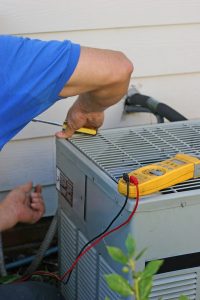 We were thinking of titling this post “This One Weird Trick Can Help You Avoid the Majority of AC Repairs!” But that was a bit too “click-baity,” and what we’re going to tell you here isn’t a “trick” or even remotely “weird.” It’s an important basic service that many homeowners overlook or forget about, and that’s why numerous AC malfunctions occur that shouldn’t.
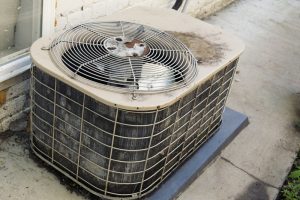 Air conditioning system replacement doesn’t run on an exact schedule. The standard central air conditioner can last around 10 to 15 years. But depending on how much they work and how often they’re serviced, they can run for shorter or longer. So to answer the question in the title, we need to first look at why you might be asking this question. We can then give you an idea of whether you’re due for an AC replacement. The best way to get answers is to call our professionals to help you with your
 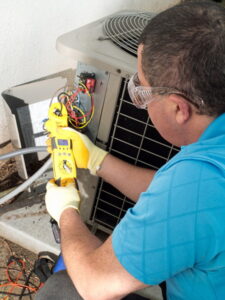 Air conditioners are used around the year in Katy, and we need to take special care of them because of all the wear they accumulate. This makes regular maintenance for air conditioning systems in homes more essential than ever—we can’t stress enough the importance of scheduling a maintenance tune-up and inspection each year with our technicians.
 We’ve gone through some colder spells recently along with rain, but with the calendar turning over to March, we can see the end of the winter ahead. Winter is not usually rough for us here in Katy (with some major exceptions), and you’ll probably be ready to switch to a “summer weather” mentality by the end of March.
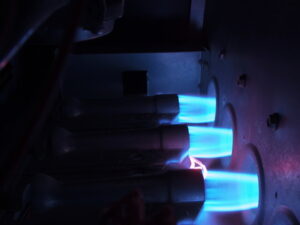 Gas furnaces are the heating systems most commonly found in homes. They’re powerful and energy efficient—and they’re also relatively safe to run. Homeowners are sometimes nervous about using natural gas because any gas appliance can potentially create hazards from combustion and the exhaust of toxic gases like carbon monoxide. A gas furnace
 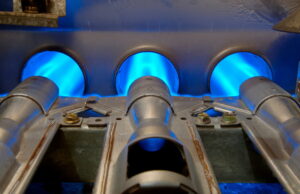 The natural gas furnace has a long history of use. The first patent on the gas furnace was in 1919, and by the 1940s, gas furnaces started to become popular as central heating options, replacing coal-burning furnaces because of their power, improved safety, and convenience—no more need to take delivery of coal and shovel it into the furnace, the natural gas comes right to the home.
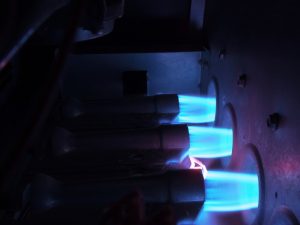 When you need your home’s gas furnace working, the last thing you want to happen is to have it keep shutting down on you. Unfortunately, this is one of the more common furnace issues you may run into: burners that won’t stay lit. There may be a simple explanation for it, but in many cases you’ll need to call us for professional